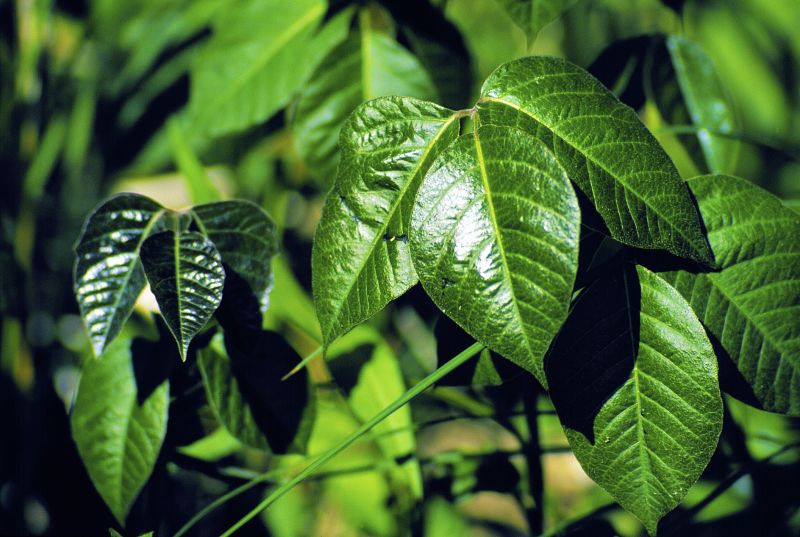
Poison Ivy Removal in Harford County, MD
Poison ivy removal services focus on safely eliminating this common and irritating plant from residential properties. These services typically cover a variety of projects, including clearing poison ivy from yards, gardens, fences, and around trees or structures. Property owners often request removal when the plant poses a risk of skin irritation, especially in areas where children or pets play, or when it begins to spread into landscaped areas. Understanding the extent of the infestation and the location of poison ivy on the property can help determine the most effective removal approach.
Before requesting poison ivy removal, property owners should consider the size of the affected area and whether the plant is growing near other desirable plants or structures. It’s also helpful to identify if the poison ivy has a vigorous root system or is intertwined with other vegetation. Proper removal typically involves careful extraction of the plant, including roots, to prevent regrowth, and may require disposal of the plant material to avoid spreading. Clarifying these details can ensure the removal process is thorough and minimizes the risk of future growth.
Many property owners in Harford County, MD look into Poison Ivy Removal for repairs, replacements, upgrades, and appearance-related improvements.
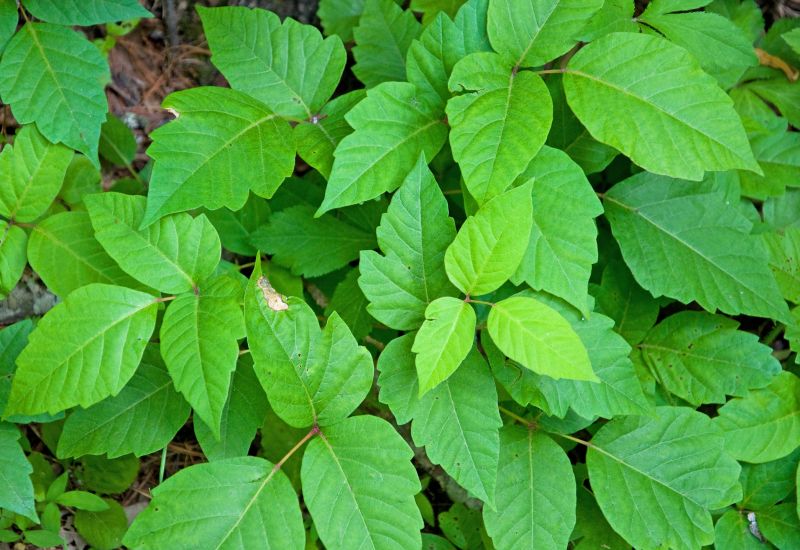
Poison Ivy Identification
Recognizing the signs of poison ivy helps prevent accidental contact and skin irritation.
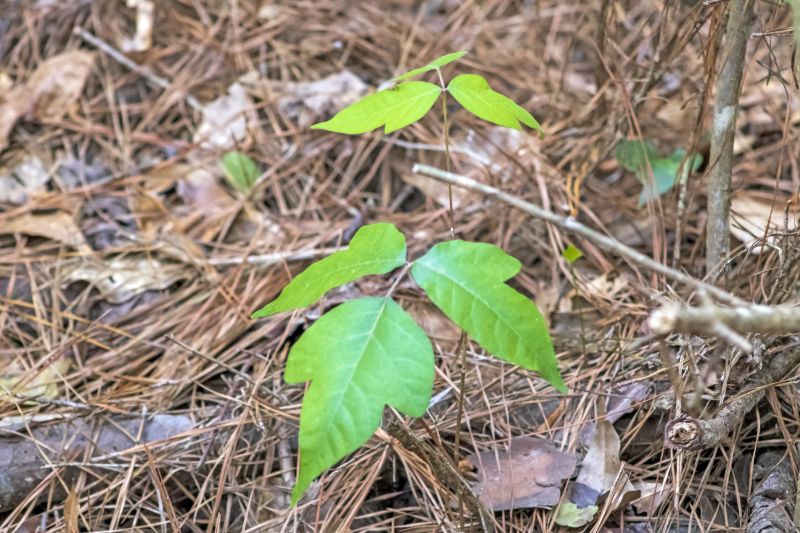
Safe Removal Techniques
Professional removal ensures the plant is eliminated without spreading or damaging surrounding vegetation.
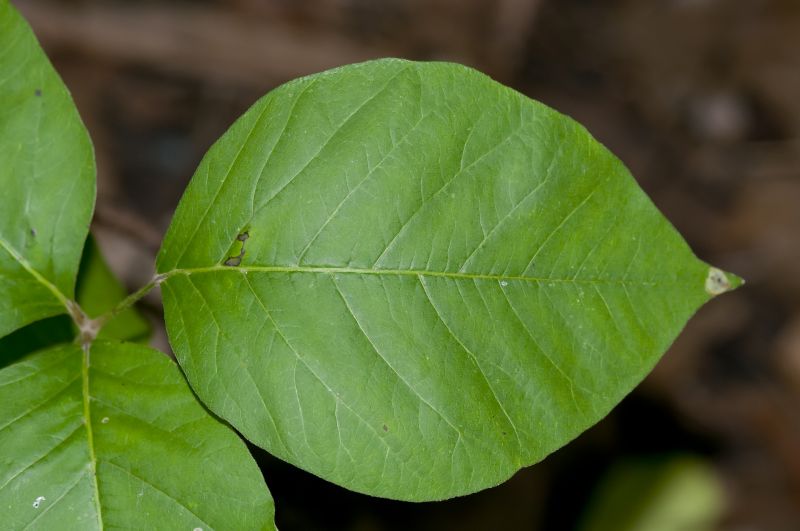
Property Protection Tips
Proper removal methods help maintain the safety and appearance of yards and outdoor spaces in harford county.
Poison Ivy Removal in Harford County, MD
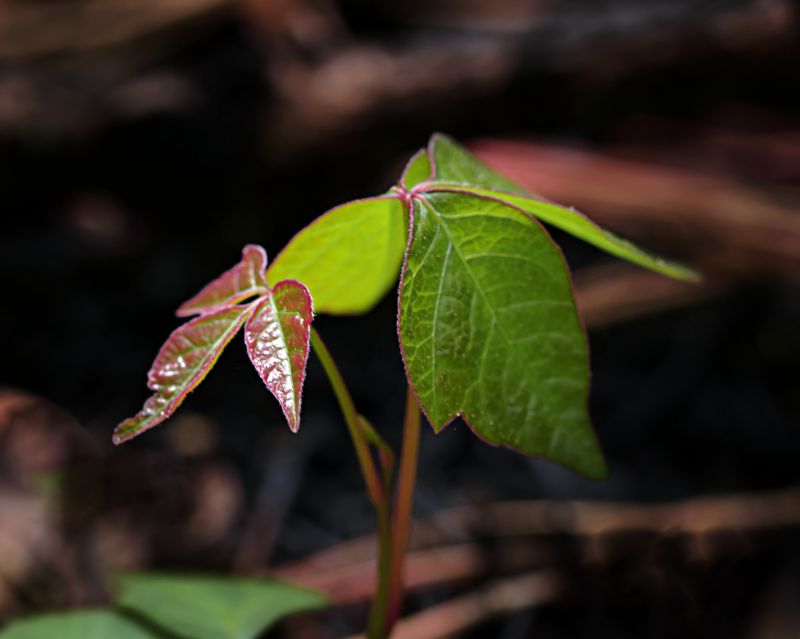
Poison ivy removal services focus on safely eliminating this common and irritating plant from residential properties. These services typically cover a variety of projects, including clearing poison ivy from yards, gardens, fences, and around trees or structures. Property owners often request removal when the plant poses a risk of skin irritation, especially in areas where children or pets play, or when it begins to spread into landscaped areas. Understanding the extent of the infestation and the location of poison ivy on the property can help determine the most effective removal approach.
Before requesting poison ivy removal, property owners should consider the size of the affected area and whether the plant is growing near other desirable plants or structures. It’s also helpful to identify if the poison ivy has a vigorous root system or is intertwined with other vegetation. Proper removal typically involves careful extraction of the plant, including roots, to prevent regrowth, and may require disposal of the plant material to avoid spreading. Clarifying these details can ensure the removal process is thorough and minimizes the risk of future growth.
Many property owners in Harford County, MD look into Poison Ivy Removal for repairs, replacements, upgrades, and appearance-related improvements.
Common Poison Ivy Removal Jobs
Poison Ivy Removal - Safe elimination of poison ivy from yards and landscapes.
Property Clearing - Removal of poison ivy to restore outdoor spaces and pathways.
Vegetation Management - Targeted removal of invasive plants to protect property health.
Landscape Maintenance - Ongoing control of poison ivy to prevent regrowth.
Emergency Removal - Immediate removal services for hazardous poison ivy growth.
Site Restoration - Replanting and landscaping after poison ivy removal to improve curb appeal.
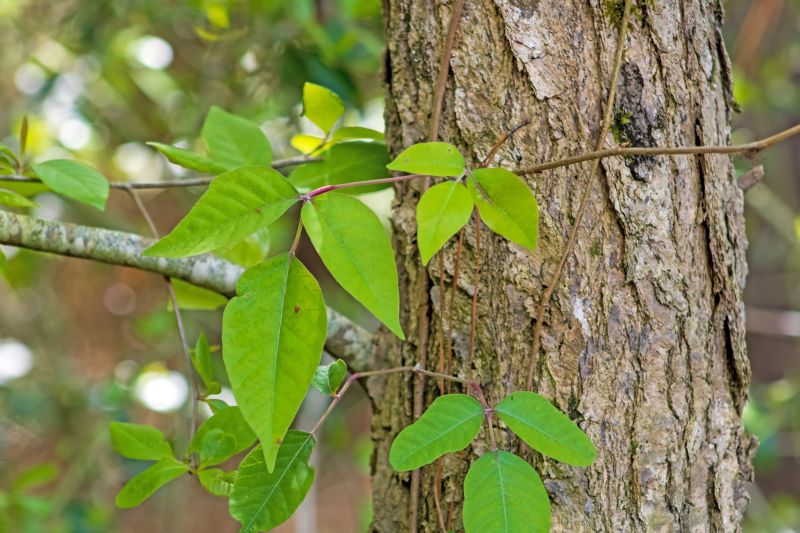
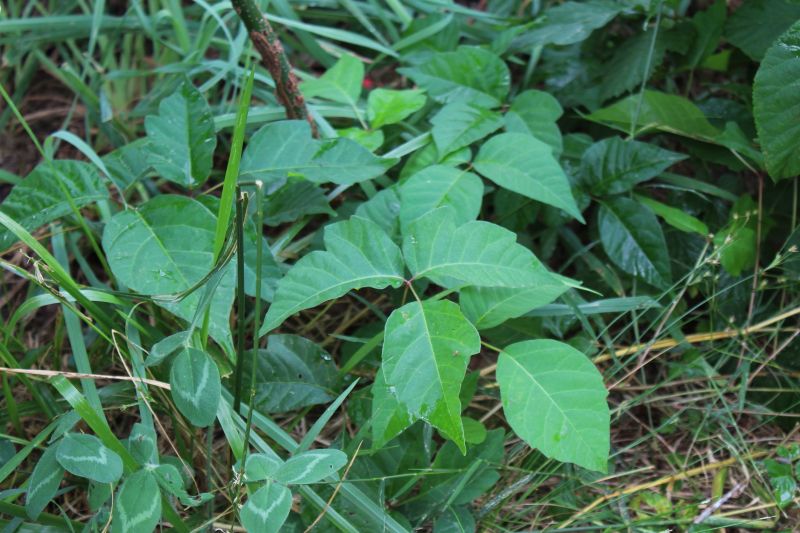
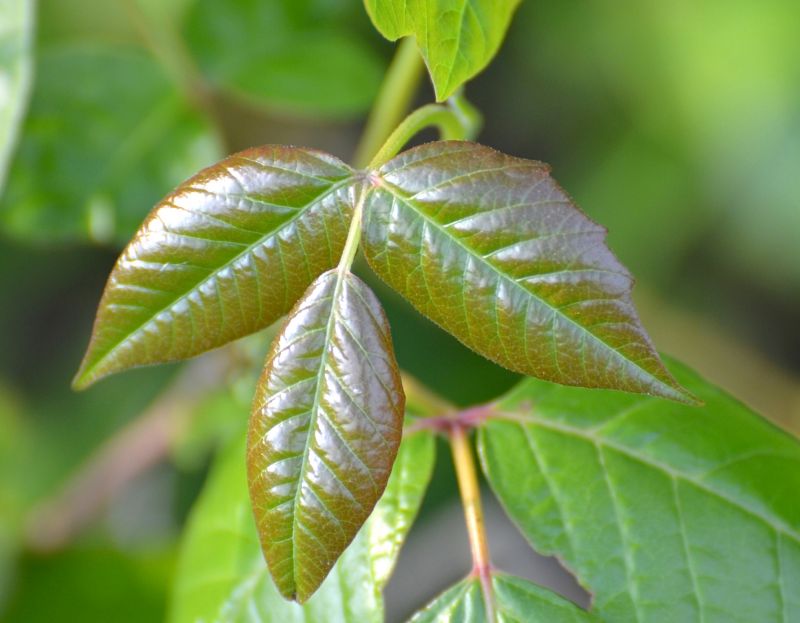
Poison Ivy Removal Questions
What is poison ivy removal? Poison ivy removal involves safely eliminating the plant from a property to prevent skin irritation and other health risks.
When should poison ivy be removed? Removal is recommended when poison ivy is growing in high-traffic areas, near children’s play zones, or on structures where it can cause damage.
Does poison ivy removal require special equipment? Yes, specialized tools and protective gear are typically used to ensure safe and effective removal of the plant.
Can poison ivy regrow after removal? Yes, if roots are not fully removed, poison ivy can regrow. Proper removal aims to eliminate the plant completely to prevent re-growth.
Request Poison Ivy Removal in Harford County, MD
Use the quote form on this page to share the basics of your project and request more information for the type of work you need.